Scan to open this download on your phone or e-reader.
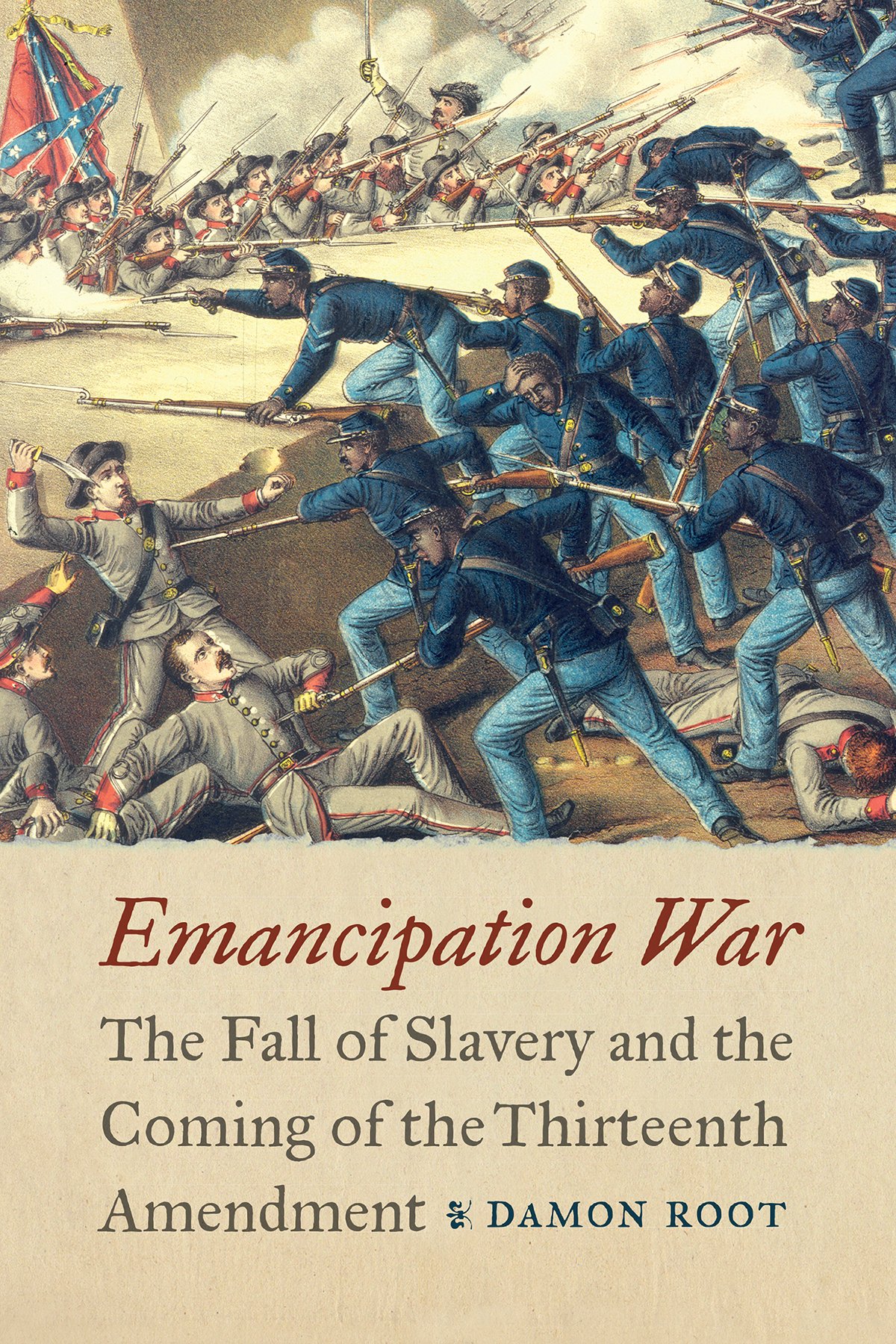
Emancipation War (1802)
About this item
Speaking to a fractured country for the first time as president, Abraham Lincoln endorsed a constitutional amendment designed to permanently safeguard slavery in every state in which the institution already existed. If that proslavery provision had been ratified, it would have become the Thirteenth Amendment to the U.S. Constitution. Three years later, Lincoln again threw his support behind a constitutional amendment to address slavery: this time to abolish it. Formally ratified in 1865, this is the Thirteenth Amendment we know today. What happened in those intervening years that led Lincoln to switch from supporting a proslavery amendment to embracing the antislavery provision that ultimately became enshrined in the Constitution? Why did the Thirteenth Amendment of 1864–65 win out over that of 1861? Lincoln himself provided a key to understanding: "I claim not to have controlled events," he said, "but confess plainly that events have controlled me." In
- Format
- EPUB
- File size
- 3.0 MB
- Language
- English
- Added
- 2026-08-23